

Our commitment to environmental responsibility, coupled with a focus on delivering delicious, nutritious meals, distinguishes us from competitors. It’s important to put these suggestions into practice and spread them to others to live sustainably and decrease food waste overall. Sustainable meal planning is an excellent approach to eating well and caring for the environment simultaneously. For example, asparagus season runs from late March to June, offering tender stalks that pair wonderfully with other seasonal vegetables like radishes and peas. When you buy local, not only are you ensuring peak freshness, but you can also take advantage of the varied textures and flavors that seasonal produce brings to your meals.
Zero-waste meal planning can help save the environment
When you buy locally, you are contributing to community success! Local farmers also get to keep more of their profits because they don’t have as many transportation/delivery costs as large agricultural firms. Buying locally demonstrates that you care about the environment, yourself, and your community.
Step Zero Waste Vegan Meal Prep Batch‑Cooking Blueprint
Wouldn’t you rather maximize your budget (and minimize your environmental footprint)? Prepare 4 carrots, 2 ribs of celery and 1/2 onion for chopping into 1/4 tp 1/2 inch pieces. Saute all together in coconut or olive oil over medium heat until cooked. Chop 2 tablespoons of parsley, add all ingredients in a bowl including 1 tsp salt. Meal planning has saved my sanity and lots of money; and I have found that, with just a little smart planning and food prep, weekday dinners are a breeze. Unlock the potential of the rapidly evolving sustainable food industry with a compelling business plan that captivates investors and stakeholders alike.
Serve smaller portions of food first
- Creating a zero-waste vegan kitchen starts with small, intentional changes in your routine.
- Airtight containers, reusable silicone bags, and glass jars are excellent options for maintaining the freshness of your ingredients.
- Food waste is a big problem, making up 24 percent of landfill waste and causing methane12.
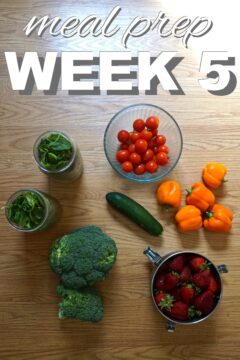
- My goal is to spend under $35 at the farmers market.
- This blueprint isn’t about deprivation or strict recipes; it’s about resourcefulness, creativity, and joy.
- This can help reduce the amount of food that goes to waste, as well as reduce the amount of time spent preparing meals.
Beat two eggs, add other ingredients plus 1/2 tsp salt and 1 T flour. Drop by spoonful into a hot skillet that is well greased and turn once brown. If you don’t have sweet potatoes, you can use carrot or even just potatoes for potato pancakes. Use a portion of your salad mix and add cucumbers, tomatoes, and thinly sliced red onions. In a frying pan, heat some vegetable oil on high heat. Add halved Brussels sprouts and sear them, stirring occasionally but letting them sit long enough to brown and caramelize.
Freezing Meals for Future Use
Start building your impactful business plan with our detailed template today, setting the stage for a successful, environmentally responsible enterprise. You’ll feel like a fish out of water at first, and that’s OK. But as you get better you’ll zero-waste meal plan with ease. But if you don’t have time in the morning to boil water to make oatmeal, prep your week’s oatmeal by using the overnight oatmeal method.
Q: How can I effectively incorporate vegetable scraps into my meal prep?
Changing my shopping and meal planning habits was a big hurdle. Choosing a minimalist meal prep way and using plant-based foods can greatly improve your life. It helps you save money and supports a greener future. Begin your Sunday prep with a vibrant carrot-top pesto and a tray of roasted root veggies.
Q: How can I organize my kitchen to support my zero-waste meal prep routine?
When you chop them both at once you save yourself the hassle of two separate onion cleanups. – Before, cooking https://www.eatright.org/food/planning/food-security-and-sustainability/sustainable-eating for my family required significant mental energy. I dreaded dinner because I never knew what I was serving until the last possible minute.
the most expensive food; is food uneaten:
You can turn what might seem like waste into flavorful broths, zesty pickles, and vibrant pestos. By adopting techniques to preserve your scraps, you’ll find your meals transforming, and your wallet feeling the benefits as you reduce unnecessary food waste. Not to mention, this practice deepens your connection to the ingredients you use, turning every peel and stem into a cherished part of your meal prep routine. Learn simple, effective techniques to cook in bulk while reducing food waste. Save time, money, and the planet with zero waste batch cooking methods perfect for sustainable kitchens.
Take action now in the fight against hunger and reduce global food waste.
It’s not enough to source and prepare food with minimal waste—you must also ensure responsibly dispose of your food packaging and scraps. To achieve this, reuse the same containers repeatedly for future meal preps. Prepare smaller portions of multiple bases (e.g., one cup cooked quinoa, one serving of roasted mushrooms, a half‑jar of pesto), then mix and match them each day. Use reusable silicone trays to freeze single‑serving blocks of sauces, soups, and veggie mixes that you can pop out as needed.
Some foods do not freeze well and will break down throughout the freezing and thawing process. Cooked pasta, cream-based soups, lettuce, milk, potatoes, and pre-defrosted meats are all foods that do not freeze well. Store fruits and vegetables in your refrigerator or pantry and rotate them often so nothing gets forgotten in the back.
Try batch cooking
Here are some easy tips to help you cook without wasting food. Zero-waste cooking is a unimeal app reviews great way to help the planet. It cuts down on food waste and lowers your carbon footprint. By using sustainable kitchen practices, you can make a big difference.