

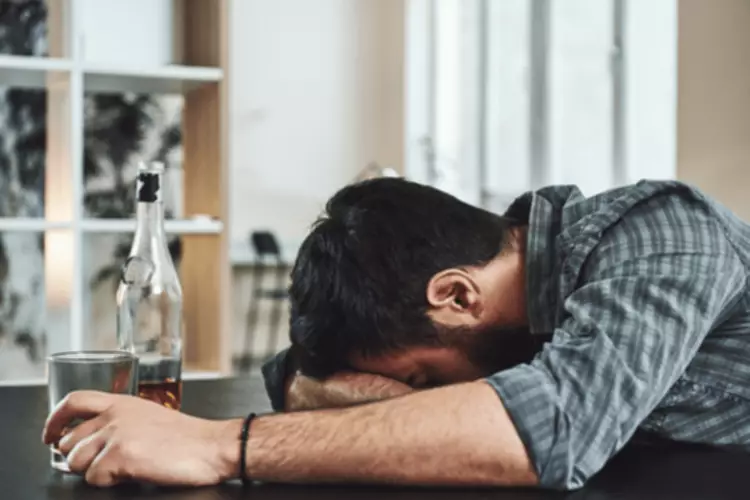
Our bodies produce melatonin to help control our sleep-wake cycle, which happens to coincide with sunlight. Our pineal gland releases melatonin as the sun goes down, and we start feeling tired. When you drink, you’re essentially throwing your sleep-wake why do i sneeze when i drink alcohol cycle off. This side effect happens to me almost every time I have a drink at night. Sure, the cocktail is fun while it lasts, but let me tell you, when I’m staring at my ceiling at three in the morning, I wish I would have skipped it altogether.
- To avoid a reaction, avoid alcohol or the particular substance that causes your reaction.
- When it comes to allergies to any component of an alcoholic drink, you must never consume it.
- This will help to soothe the mucous membranes in your nose and prevent them from swelling and triggering a sneeze.
What You Can Do To Prevent Sneezing When You Drink
People may also have an allergic reaction to specific ingredients in alcoholic drinks rather than the alcohol itself. In some cases, over-the-counter or prescribed medications might help alleviate symptoms. If you experience a mild allergic reaction, over-the-counter oral antihistamines may be enough to treat it. If you develop any signs of a severe reaction, you should receive one or more doses of epinephrine. It’s available in preloaded syringes, known as epinephrine auto-injectors (e.g., EpiPen).
What Does It Mean to Have a Beer Allergy?
You’ll also want to avoid all other products made with that ingredient. The many ingredients in beer make an allergy https://ecosoberhouse.com/ to one of the specific ingredients more likely. You may also have a food sensitivity rather than an allergy.
Why Do I Get Stuffy Nose & Nasal Congestion After Drinking Alcohol?
The best way to prevent a reaction is to simply avoid alcohol. If the allergic reaction is more severe, people may require epinephrine, also known as an EpiPen. A person with severe allergies should carry one with them at all times, in case of a serious allergic reaction. The healthcare professional uses a lancet to pierce a person’s skin and apply a small amount of the suspected allergen to see if it causes a reaction. However, standardized skin testing using different types of alcohol is not currently available. There are several ways for a doctor to diagnose an alcohol allergy or intolerance, including the approaches below.
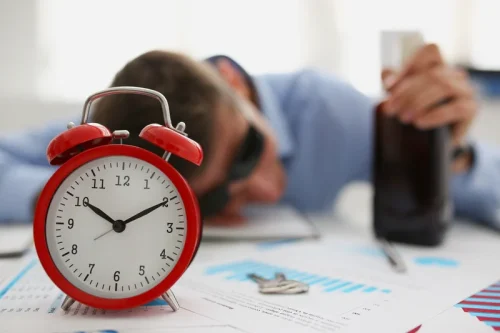
From weight loss to better sleep, the long-term and short-term side effects can be noticeable. You can log it in a journal or just check in with yourself in the morning. The impact alcohol has on your sleep will be specific to you. If you’re making an effort to pay attention to how it affects you, you can set limitations for your body and needs.

Your body’s systems bounce back over time, but after about 30 days, you’ll start seeing a difference. We’re not here to tell you a drop of alcohol will ruin your sleep quality. Drinking alcohol, specifically within 4 hours before you go to bed, may help you fall asleep quicker but ultimately reduce your REM sleep and will potentially wake you up later. Timing your cocktails or swapping out your drink for a mocktail is a great way to ensure you’ll sleep soundly through the night.
Red Wine, Beer, And Whiskey: Common Allergens In Alcoholic Drinks
These substances can make your blood vessels dilate, which causes symptoms of alcohol intolerance. People with aspirin-exacerbated respiratory disease (AERD) are also more likely to have alcohol intolerance. “ Gin and vodka have low levels of histamine, so switching from beer or wine can be a sensible move,” Whittamore writes. Mixed drinks containing any of the ingredients mentioned earlier are also likely to cause sneezing. If you’re allergic to any of the ingredients in a mixed drink, you may want to avoid it.
- This is caused by inherited (genetic) traits most often found in Asians.
- Understanding these differences can help you pinpoint the cause of your symptoms and get the most appropriate medical attention if needed.
- A few alcohols are less likely to trigger symptoms in people with alcohol intolerance.
- You can log it in a journal or just check in with yourself in the morning.
Spirits such as vodka and gin can also cause sneezing due to the presence of histamines. “Alcohol and sulphites tend to evaporate away during cooking, so the potential for intolerances is certainly reduced,” Dr Watts says. However, if you’re allergic to an ingredient found in certain alcoholic drinks, dishes which contain that drink are not safe to eat. Alcoholic drinks can also trigger an allergic reaction to food if you consume the two together, as alcohol can interfere with the gut lining.
Alcohol Allergies

These problems make it difficult for the body to break down alcohol properly. Shaw says symptoms may affect the skin, breathing and circulatory system. “They may also be accompanied by a red rash, swelling to the eyes, lips, face, breathing difficulties, stomach upset, feeling dizzy or faint due to low blood pressure,” she adds.